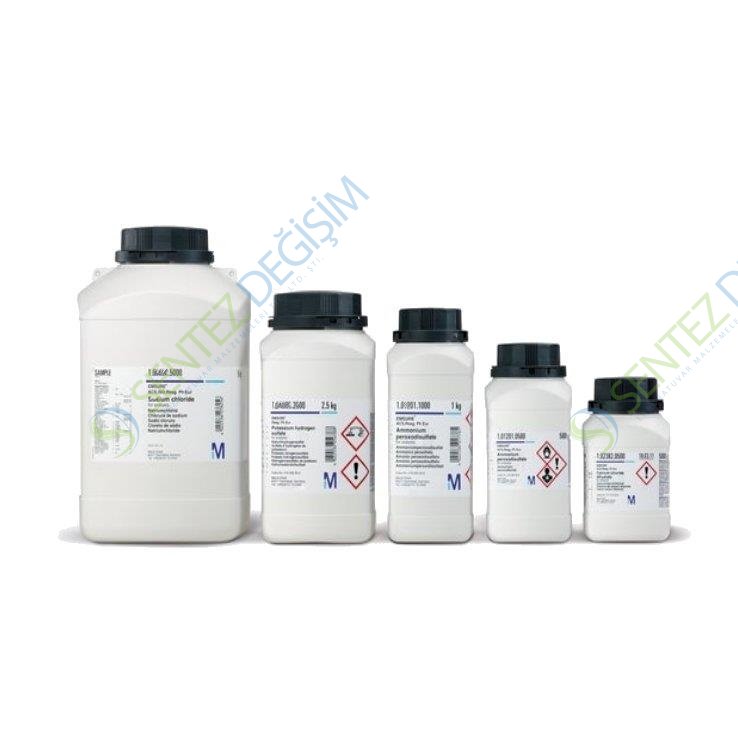
| Safety Information according to GHS |
|---|
| Hazard Pictogram(s) | |
| Hazard Statement(s) | H272: May intensify fire; oxidizer.H302 + H332: Harmful if swallowed or if inhaled.H315: Causes skin irritation.H317: May cause an allergic skin reaction.H318: Causes serious eye damage.H334: May cause allergy or asthma symptoms or breathing difficulties if inhaled.H341: Suspected of causing genetic defects.H350: May cause cancer.H360: May damage fertility or the unborn child.H372: Causes damage to organs through prolonged or repeated exposure if inhaled.H410: Very toxic to aquatic life with long lasting effects. |
| Precautionary Statement(s) | P210: Keep away from heat, hot surfaces, sparks, open flames and other ignition sources. No smoking.P273: Avoid release to the environment.P280: Wear protective gloves/ protective clothing/ eye protection/ face protection/ hearing protection.P301 + P312: IF SWALLOWED: Call a POISON CENTER/doctor if you feel unwell.P305 + P351 + P338: IF IN EYES: Rinse cautiously with water for several minutes. Remove contact lenses, if present and easy to do. Continue rinsing.P308 + P313: IF exposed or concerned: Get medical advice/ attention. |
| Signal Word | Danger |
| RTECS | QR7300000 |
| Storage class | 5.1B Oxidizing hazardous materials |
| WGK | WGK 3 highly hazardous to water |
| Disposal | 22Inorganic peroxides and oxidants as well as bromine and iodine should be rendered harmless by reduction with acidic sodium thiosulfate solution (Cat. No. 106513); container D or E. Slightly soluble oxidants should be collected separately in container E or I. |