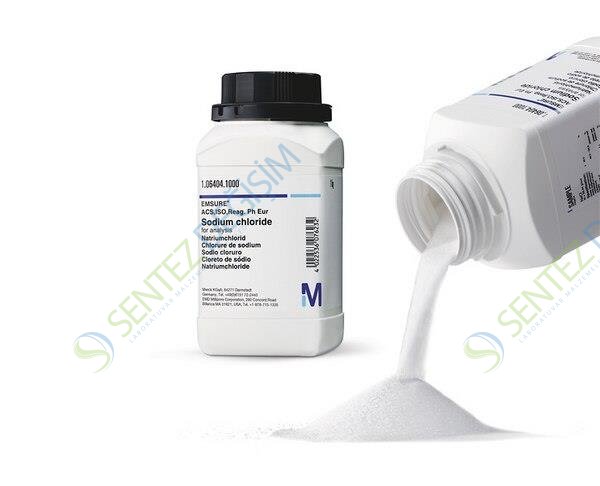
MERCK 102003.0500 Cadmium Acetate Dihydrate GR CAS No.1403722
| Description |
|---|
| Catalogue Number | 102003 |
| Synonyms | Cadmium Acetate |
| Product Information |
|---|
| CAS number | 5743-04-4 |
| EC index number | 048-001-00-5 |
| EC number | 208-853-2 |
| Hill Formula | C₄H₆CdO₄ * 2 H₂O |
| Chemical formula | (CH₃COO)₂Cd * 2 H₂O |
| Molar Mass | 268.55 g/mol |
| HS Code | 2915 29 90 |
| Structure formula Image |
| Quality Level | MQ300 |
| Physicochemical Information |
|---|
| Density | 2.01 g/cm3 (20 °C) |
| Melting Point | 254 - 256 °C (anhydrous) |
| pH value | 7 (50 g/l, H₂O, 20 °C) |
| Bulk density | 950 kg/m3 |
| Toxicological Information |
|---|
| LD 50 oral | LD50 Rat 333 mg/kg |
| Safety Information according to GHS |
|---|
| Hazard Statement(s) | H302 + H312 + H332: Harmful if swallowed, in contact with skin or if inhaled.H340: May cause genetic defects.H350: May cause cancer.H372: Causes damage to organs through prolonged or repeated exposure if swallowed.H410: Very toxic to aquatic life with long lasting effects. |
| Precautionary Statement(s) | P273: Avoid release to the environment.P280: Wear protective gloves/ protective clothing/ eye protection/ face protection/ hearing protection.P301 + P312: IF SWALLOWED: Call a POISON CENTER/doctor if you feel unwell.P302 + P352 + P312: IF ON SKIN: Wash with plenty of water. Call a POISON CENTER/doctor if you feel unwell.P304 + P340 + P312: IF INHALED: Remove person to fresh air and keep comfortable for breathing. Call a POISON CENTER/doctor if you feel unwell.P308 + P313: IF exposed or concerned: Get medical advice/ attention. |
| Signal Word | Danger |
| RTECS | AF7505000 |
| Storage class | 6.1B Non-combustible, acute toxic Cat. 1 and 2 / very toxic hazardous materials |
| WGK | WGK 3 highly hazardous to water |
| Disposal | 15Heavy metal-containing solutions and solids: container E. Stir Raney nickel (also: Urushibara nickel) in the form of an aqueous suspension into hydrochloric acid (Cat. No. 100312) until dissolved (container E). Neither Raney nickel itself nor any filter residues should be allowed to dry out, otherwise they will spontaneously ignite in air. In this context, heavy metal means any compound of antimony, arsenic, cadmium, chromium(VI), copper, lead, nickel and tin, as well as these subtances in metallic form, if they are classified as hazardous (acc. to AbfallverzeichnisV - Waste Catalogue Ordinance, Appendix 3). Other heavy metals should be collected separately. |
| Safety Information |
|---|
| Categories of danger | harmful, dangerous for the environment |
| Storage and Shipping Information |
|---|
| Storage | Store at +2°C to +30°C. |
| Transport Information |
|---|
| Declaration (railroad and road) ADR, RID | UN 2570, 6.1, II |
| Declaration (transport by air) IATA-DGR | UN 2570, 6.1, II |
| Declaration (transport by sea) IMDG-Code | UN 2570, 6.1, II, Marine Pollutant: P |
| Specifications |
|---|
| Assay (komplexometric (CH₃COO)₂Cd·2H₂O) | ≥ 99.0 % |
| Insoluble matter | ≤ 0.005 % |
| Chloride (Cl) | ≤ 0.001 % |
| Sulfate (SO₄) | ≤ 0.005 % |
| Ca (Calcium) | ≤ 0.005 % |
| Cu (Copper) | ≤ 0.0005 % |
| Fe (Iron) | ≤ 0.0005 % |
| Na (Sodium) | ≤ 0.002 % |
| Pb (Lead) | ≤ 0.001 % |
| Zn (Zinc) | ≤ 0.002 % |
| Substances not precipitated with H₂S (as sulphates) | ≤ 0.1 % |
| Global Trade Item Number |
|---|
| Catalogue Number | GTIN |
|---|
| 1020030500 | 04022536027463 |